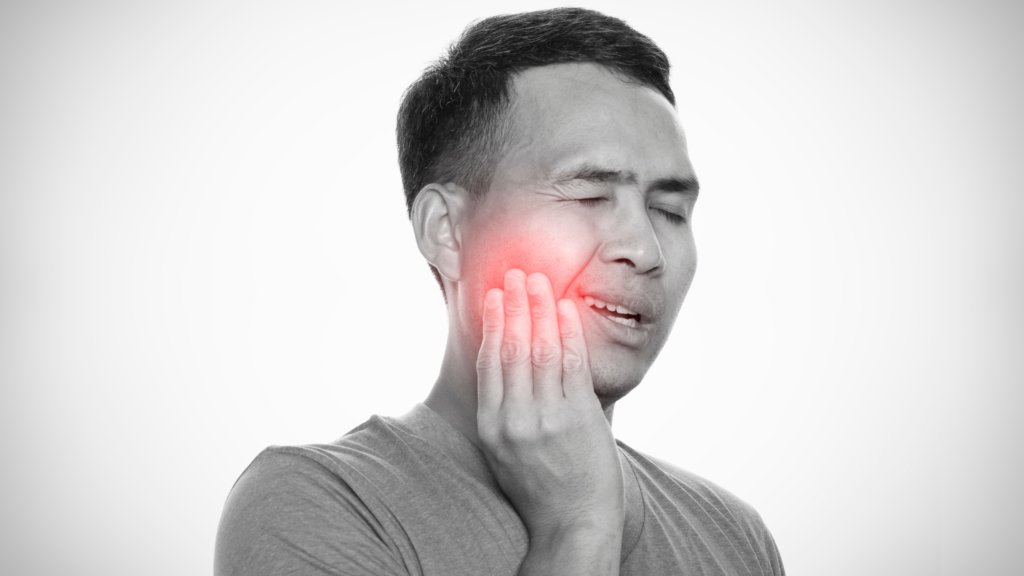
You wake up at 2 AM with throbbing tooth pain that makes it impossible to sleep. Or maybe you’ve had a dull ache for days that suddenly becomes unbearable. Or perhaps you bite down on your lunch and feel a sharp, shooting pain that takes your breath away.
Toothaches are among the most common reasons Lakewood residents call our emergency dental office. But here’s the question everyone asks: Is this really an emergency, or can it wait until tomorrow? Until next week? Until your regular dentist has an opening?
The answer isn’t always straightforward. Some toothaches are annoying but not urgent
. Others signal serious infections that can spread to your bloodstream and become life-threatening if ignored. Knowing the difference can save your tooth and possibly your life.
At Emergency Dental Services of Washington in Lakewood, we’ve seen the full spectrum from minor sensitivity to life-threatening abscesses. This guide will help you identify the seven warning signs that your toothache has crossed from ‘inconvenient’ to ’emergency’ and explain exactly what to do when you recognize them.”
“Understanding Tooth Pain: A Quick Anatomy Lesson”
Your teeth are more complex than they appear. Understanding the basic structure helps explain why some toothaches are emergencies:
Enamel – Hard outer layer (no nerves, no pain) Dentin – Middle layer with tiny tubules connected to the nerve Pulp – Innermost chamber containing nerves and blood vessels Root – Extends into jawbone, anchoring the tooth Periodontal Ligament – Connects tooth root to bone
Pain occurs when:
- Decay reaches the dentin or pulp
- Infection develops in the pulp
- Abscess forms at the root tip
- Gum disease exposes sensitive root surfaces
- Trauma damages tooth structure
Severity and type of pain indicate what’s happening and whether it’s an emergency.”
“7 Signs Your Toothache is an Emergency”
SIGN #1: Severe, Unrelenting Pain That Won’t Respond to Over-the-Counter Medication
What it means: Likely infected pulp or abscess Why it’s an emergency: Infection is spreading and won’t resolve on its own What to do:
- Take pain medication (ibuprofen or acetaminophen)
- Apply cold compress to cheek (not directly to tooth)
- Call our Lakewood office immediately: +1 253 921 9506
- Don’t delay it will only get worse
We see Lakewood patients every week who suffered for days hoping the pain would go away. It won’t. Dental infections require professional treatment: antibiotics, drainage, root canal, or extraction.”
SIGN #2: Swelling in Your Face, Jaw, or Gums
What it means: Active infection that’s spreading beyond the tooth Why it’s an emergency: Can spread to neck, affect breathing, enter bloodstream Danger signs:
- Swelling that’s getting larger
- Fever (100.4°F or higher)
- Difficulty swallowing
- Difficulty breathing
- Swelling around eyes
What to do:
- Call us immediately
- If breathing is compromised, go to ER
- Don’t apply heat (speeds spread of infection)
- Use cold compress only
- Take prescribed antibiotics if you have them
A 32-year-old Parkland patient came to us with facial swelling from an abscessed tooth. He’d waited three days thinking it would improve. The infection had spread to his neck, requiring hospitalization. Don’t wait.
SIGN #3: Bad Taste, Foul Smell, or Pus Coming from a Tooth
What it means: Abscess has formed and may have ruptured Why it’s an emergency: Draining abscess seems like relief, but infection remains Symptoms:
- Sudden rush of foul-tasting fluid
- Temporary pain relief after drainage
- Persistent bad breath despite brushing
- Visible pus or pimple-like bump on gums
What to do:
- Rinse mouth with warm salt water
- Don’t try to drain it yourself
- Call for same-day appointment
- Even if pain decreases, infection is still present
SIGN #4: Tooth Pain + Fever, Fatigue, or Feeling Unwell
What it means: Systemic infection affecting whole body Why it’s an emergency: Infection entering bloodstream (sepsis risk) Warning signs:
- Fever
- Chills
- Extreme fatigue
- Nausea
- General malaise
- Rapid heartbeat
What to do:
- This is a medical emergency
- Call us immediately
- If symptoms are severe, go to ER
- You need immediate antibiotics and dental treatment
Your immune system is fighting a losing battle. Dental infections can cause sepsis, which has a 30-40% mortality rate. This isn’t ‘just a toothache’ it’s a life-threatening condition.
SIGN #5: Severe Pain When Biting or Chewing
What it means: Cracked tooth, deep cavity, or abscess at root tip Why it’s an emergency: Structural damage allowing bacteria deep into tooth Types of pain:
- Sharp, shooting pain with pressure
- Lingering ache after releasing pressure
- Can’t chew on that side at all
What to do:
- Avoid chewing on affected side
- Eat soft foods only
- Don’t wait, cracks worsen quickly
- Call for evaluation and treatment
A small crack can propagate through the entire tooth if left untreated. What’s fixable with a crown today might require extraction next week.
SIGN #6: Prolonged Sensitivity to Hot or Cold That Lingers After Removal
What it means: Nerve inflammation or damage (pulpitis) Why it’s an emergency: Reversible pulpitis can become irreversible Normal vs. Emergency:
- Normal: Brief sensitivity that fades in seconds
- Emergency: Pain lasting 30+ seconds after stimulus removed
- Emergency: Spontaneous pain without stimulus
What to do:
- Avoid extreme temperatures
- Don’t apply ice directly to tooth
- Schedule appointment within 24-48 hours
- May need root canal to save tooth
SIGN #7: Visible Hole, Broken Tooth, or Lost Filling with Exposed Nerve
What it means: Nerve is exposed to bacteria, air, food Why it’s an emergency: Risk of rapid infection, extreme painSymptoms:
- You can see or feel a hole
- Sharp edges cutting tongue
- Extreme sensitivity
- Visible dark area (cavity)
What to do:
- Apply dental cement (temporary, from pharmacy)
- Avoid chewing on that side
- Don’t wait! exposure increases infection risk dramatically
- Call for same-day appointment
An exposed nerve is incredibly vulnerable. Every hour it’s exposed increases infection risk and decreases the chance of saving the tooth with a simple filling.
“When Can a Toothache Wait? (Non-Emergency Tooth Pain)”
You probably don’t need emergency care if:
✓ Pain is mild and responds well to OTC medication ✓ Brief sensitivity to cold that resolves in seconds ✓ Mild discomfort when chewing certain foods ✓ Gum soreness from food stuck between teeth ✓ Sensitivity after recent dental work (usually temporary)
You can schedule a regular appointment for:
- Chronic, low-grade ache
- Temperature sensitivity without other symptoms
- Gum tenderness without swelling
- Cosmetic issues without pain
“Emergency Toothache Relief While Waiting for Your Appointment”
Do’s: ✓ Take ibuprofen (Advil) and acetaminophen (Tylenol) alternating every 3-4 hours ✓ Rinse with warm salt water (1 tsp salt in 8 oz warm water) ✓ Apply cold compress to outside of cheek for 20 minutes on, 20 minutes off ✓ Keep head elevated, even when sleeping ✓ Stick to soft, room-temperature foods ✓ Gently floss to remove trapped food particles
Don’ts:  Apply heat (spreads infection) Put aspirin directly on tooth or gums (causes burns) Use clove oil excessively (can damage tissue) Drink alcohol (dehydrates, interferes with medication) Smoke (slows healing) Ignore worsening symptoms
“What to Expect at Our Lakewood Emergency Dental Office”
Same-Day Emergency Toothache Visit:
Step 1: Immediate Assessment (10 minutes)
- Medical history review
- Description of pain
- Visual examination
- Gentle probing to identify source
Step 2: Diagnostic Imaging (5-10 minutes)
- Digital X-rays
- Identify decay, abscesses, bone loss
- Determine extent of damage
Step 3: Pain Relief (Immediate)
- Local anesthesia if needed
- Prescription pain medication
- Antibiotics if infection present
Step 4: Treatment Plan (15-20 minutes)
- Explain diagnosis
- Discuss treatment options
- Provide cost estimates
- Schedule definitive treatment if needed
Step 5: Emergency Treatment (30-60 minutes)
- Drain abscess if present
- Open tooth and remove infected pulp
- Extract tooth if unsavable
- Place medication and temporary filling
- Prescribe antibiotics and pain medication
“Most toothache emergencies can be resolved in one visit. You’ll leave with pain relief and a clear plan for any follow-up treatment needed.”
“Why Lakewood Residents Choose Emergency Dental Services”
✓ Same-Day Appointments: Most patients seen within hours ✓ Open 7 Days a Week: Including evenings and holidays ✓ Pain Relief is Priority #1: We understand you’re suffering ✓ Advanced Technology: Digital X-rays, same-visit treatment ✓ Flexible Payment: Insurance accepted, financing available ✓ No Judgment: Whether it’s been 1 week or 10 years, we’re here to help ✓ Convenient Location: Bridgeport Way SW, minutes from JBLM, Parkland, Spanaway
Conclusion: Tooth pain is your body’s alarm system and when the alarm is loud and persistent, it’s time to act. Don’t gamble with your health trying to wait out a serious toothache. The seven warning signs we’ve outlined indicate situations that will only worsen without professional intervention.
At Emergency Dental Services of Washington in Lakewood, we understand that dental emergencies are stressful, painful, and often poorly timed. That’s why we’re here seven days a week, ready to provide same-day relief when you need it most.
If you’re experiencing any of these emergency warning signs, don’t wait another hour. Call us now at +1 253 921 9506. We serve Lakewood, JBLM, Parkland, Spanaway, and all of Pierce County with compassionate, expert emergency dental care.